A Beginner Guide to Seam Allowance Without Overcomplicating It
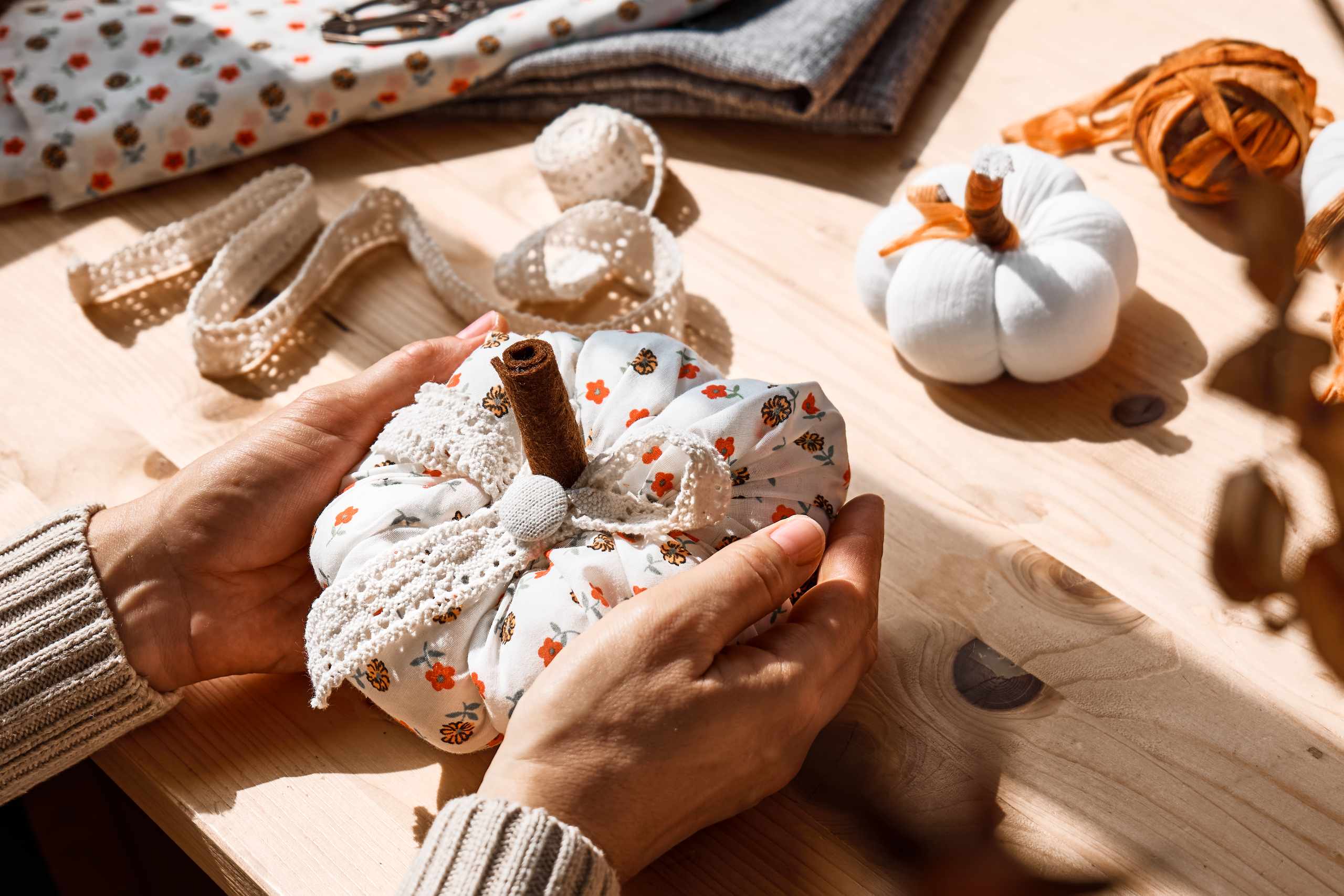
Seam allowance is the space between the stitched line and the raw edge of the fabric. It sounds like…
FABRICWORKART
Learn to notice grain, stretch, drape, and fraying before cutting into a piece.
Use measuring tape, rulers, chalk, and fold lines to prepare fabric with less guessing.
Practice straight cuts on scrap fabric so edges stay smoother and easier to join.
Pin or clip fabric layers, then check that edges still match before stitching.
Work on seam allowance, simple stitches, and slow turns at corners and curves.
Practice hems, pressing, and raw-edge checks so small pieces look more controlled.
The course keeps practice small and concrete: observe the fabric, mark the line, pin the layers, stitch slowly, press the fold, and check the result. Instead of rushing into complex projects, you learn how fabric reacts under your hands.

LEARNER NOTES
The swatch practice helped me slow down before cutting. I finally understood why grain and stretch change how the fabric behaves.
Naoki Higashiyama
I used to pull the fabric while stitching and wondered why seams puckered. The small samples made that problem easier to see.
Momoka Kaneshiro
The course made basic tools less confusing. Pins, clips, chalk, and pressing all started to feel connected to the same careful process.
Suzu Kuroiwa
Seam allowance is the space between the stitched line and the raw edge of the fabric. It sounds like…
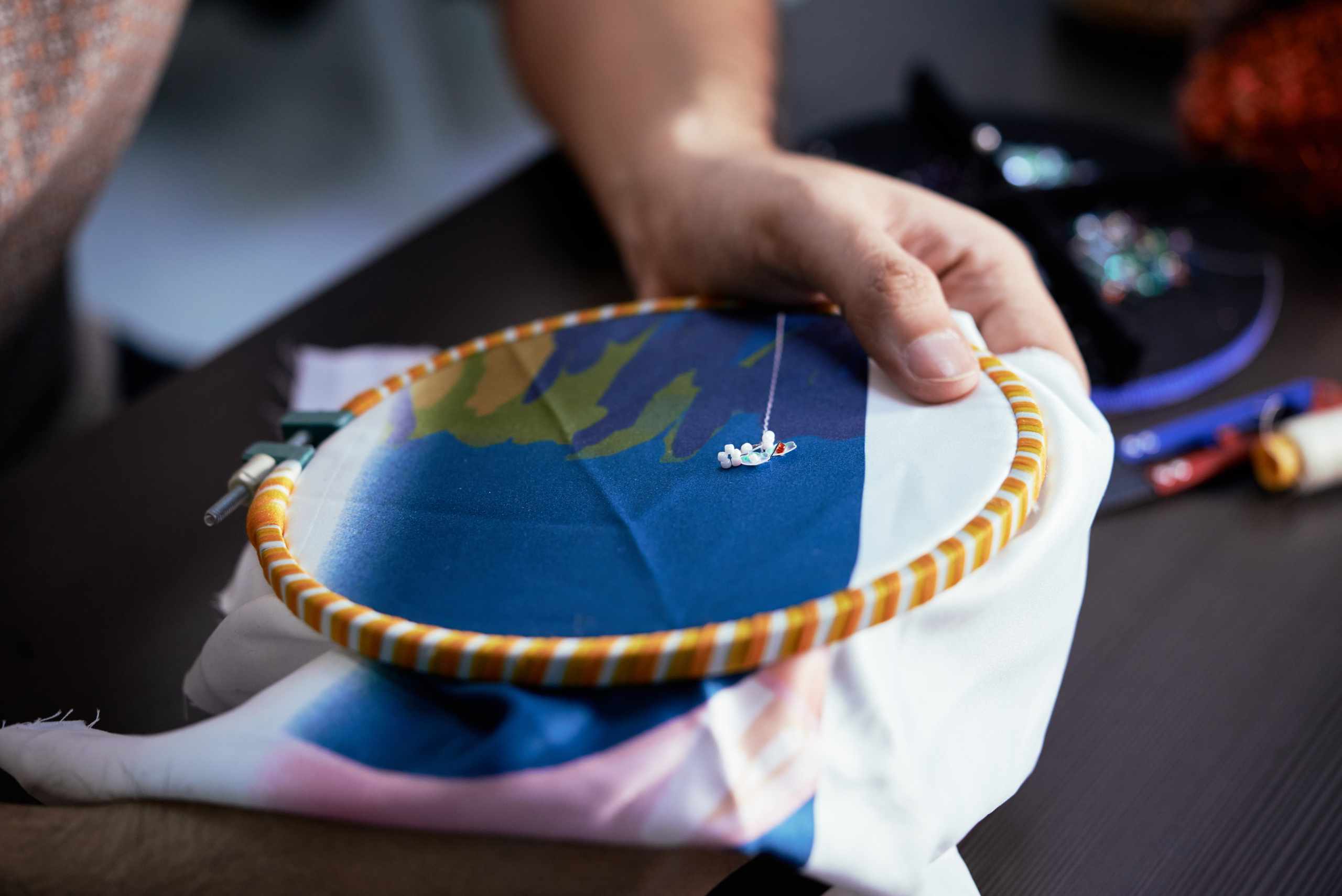
Two fabric layers can look perfectly matched when they are lying on the table, then move apart the m…
FABRICWORKART